Brake pads are consumables, and generally speaking, the vast majority of manufacturers require replacement and maintenance every 30000 to 50000 kilometers depending on the situation. The specific needs depend on the brake material, daily driving environment, etc. Of course, brake pad wear is not that fast, and the wear degree of brake pads does not exceed 1/3 for the vast majority of new cars after 30000 to 40000 kilometers.
1. Check the remaining thickness of the brake pads
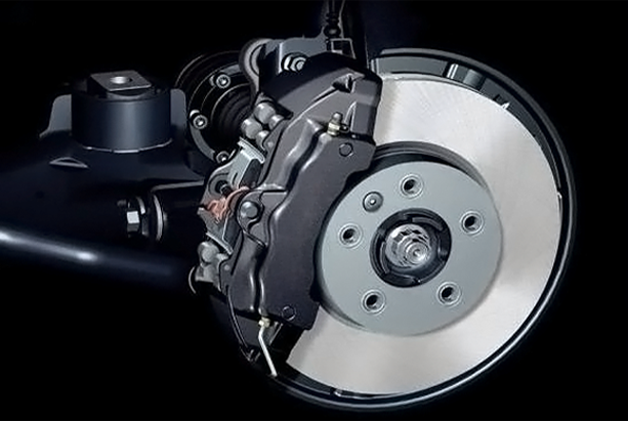
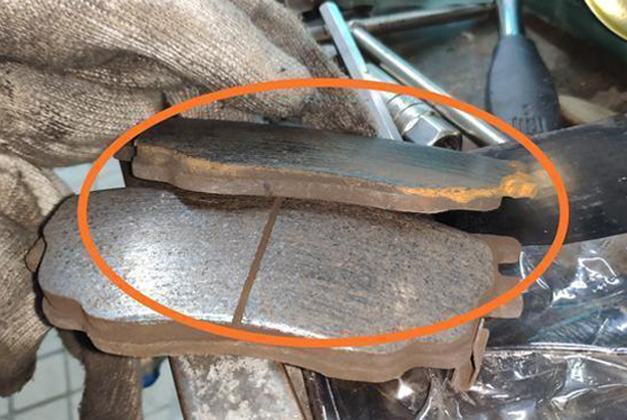
Brake pads are usually composed of steel plates, bonded insulation layers, and friction blocks. Generally, new brake pads have a thickness of about 1.5 centimeters. Regardless of whether it is a new or old car, the brake system should be checked during each maintenance. For new cars over 30000 kilometers, it is best to check every 5000-8000 kilometers. If the brake pad wear exceeds two-thirds, that is, when the brake pad thickness is only 3-4mm, remember to replace it.
2. Listen to brake warning noise
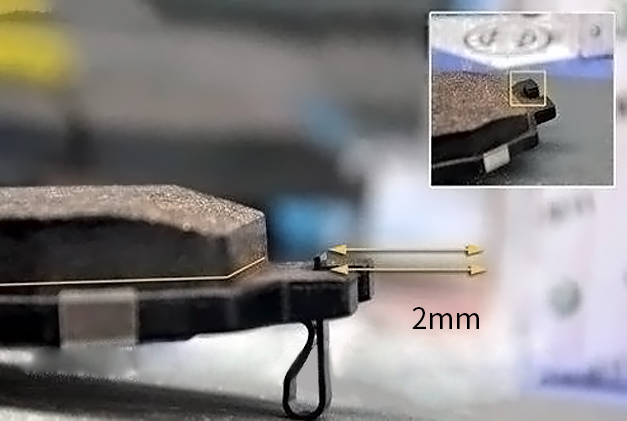
There will be a raised warning sign on both sides of the brake pad indicating the maximum braking position, which is about 3 millimeters thick. When the brake pad is worn on this sign, it means that the remaining thickness of the brake pad is the same as it, possibly less than 3 millimeters. At this time, the brake will make a warning sound and the brake pad must be replaced.
However, this symbol may not be reliable, and sometimes there may be abnormal noises when braking. Some car owners may also say that there is no obvious warning noise even when the brake pads are worn to the extreme position, so it is still necessary to manually check the remaining thickness of the brake pads.
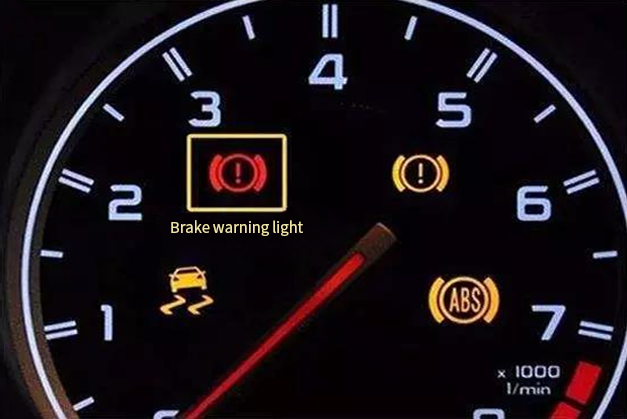
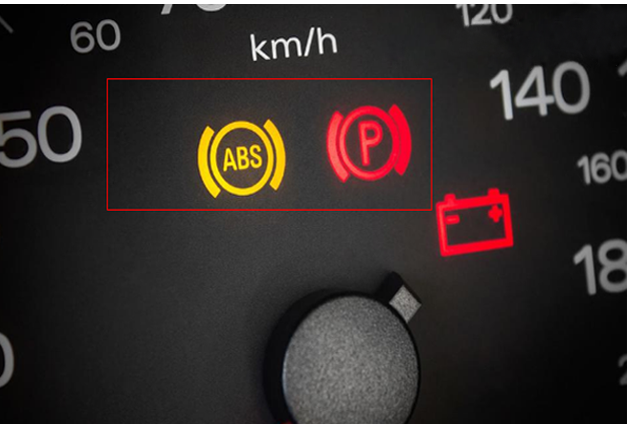
3. Pay attention to whether there are brake fault codes on the dashboard
Pay attention to calculating the driving mileage in daily life. After checking every 30000 to 50000 kilometers, replace the brake pads in advance depending on the situation. If the vehicle always deviates when braking, also check whether it is due to uneven wear of the brake pads.
Generally speaking, for front wheel drive models, the engine, bearings, and driver combined make the front of the car heavier, resulting in the highest natural brake load and the fastest wear on the brake pads. The wear on the rear wheels is generally smaller, although other special models may have greater wear on the rear wheels.
1. There is a strange noise from the brake
When braking, if there is a sound of metal rubbing against each other, it indicates that the brake pads are severely worn and need to be replaced! When replacing brake pads, it is best to also check the brake discs, as the above situations indicate that the brake discs are also experiencing severe wear. When braking, if you hear a squeaking sound, it is probably the sound of iron friction between the brake pads and the disc, and it is estimated that the brake pads need to be replaced. Of course, screaming could be caused by the hardening of brake pads and discs after high temperatures. So it must be dismantled and inspected.
2. The brake oil in the brake oil tank has decreased, and the brake malfunction light is on
The brake oil in the brake oil tank has decreased. At this time, due to the wear of the brake pads, the gap between the discs becomes larger. When the gap is automatically adjusted, the cylinder tends to open, and at this time, the cylinder needs to replenish brake oil. So, the brake oil in the oil pot will inevitably decrease. If there is oil leakage from the brake cylinder, contaminating the brake pads, immersing them in the brake pads and polishing them with sandpaper, and oil stains are still found, then no matter how thick they are, they must be replaced.
3.Braking distance increases, causing shaking during braking
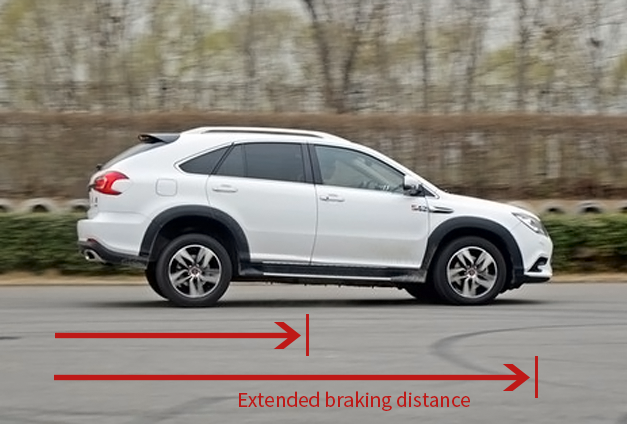
Finally, during the driving process, if you feel that the brakes are noticeably insensitive and the braking distance increases, it is necessary to check the brake pads. When we step on the brake, the vehicle shakes violently, which may be due to severe wear of the brake pads. We should immediately take the vehicle to a repair shop for inspection or replacement of the brake pads.
 EN
EN