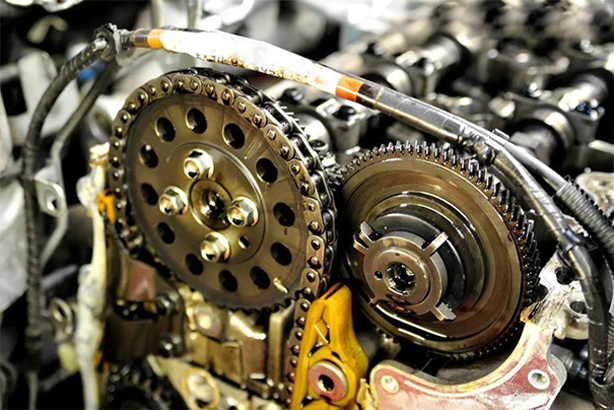
More and more engines are using chains as transmission components for the timing system, used for power transmission between the crankshaft and camshaft. For professional auto repair shops, repairing chain noise is not a complex repair task, but if not carefully considered, sometimes it can lead to detours.
Recently, a certain vehicle entered the factory for maintenance due to abnormal engine noise during operation. After careful inspection, the maintenance personnel confirmed that the sound was made by the engine timing chain.
Next, let's follow the maintenance process of this car to see what caused the malfunction
To determine whether there is abnormal noise from the timing chain, one can analyze the location and characteristics of the noise. The abnormal noise from the timing chain is a rhythmic "dada" sound, and its frequency increases with the increase of engine speed. The reason for abnormal noise is usually due to the chain being stretched due to excessive mileage, or the chain tensioner releasing pressure, causing the chain to fail to tighten.
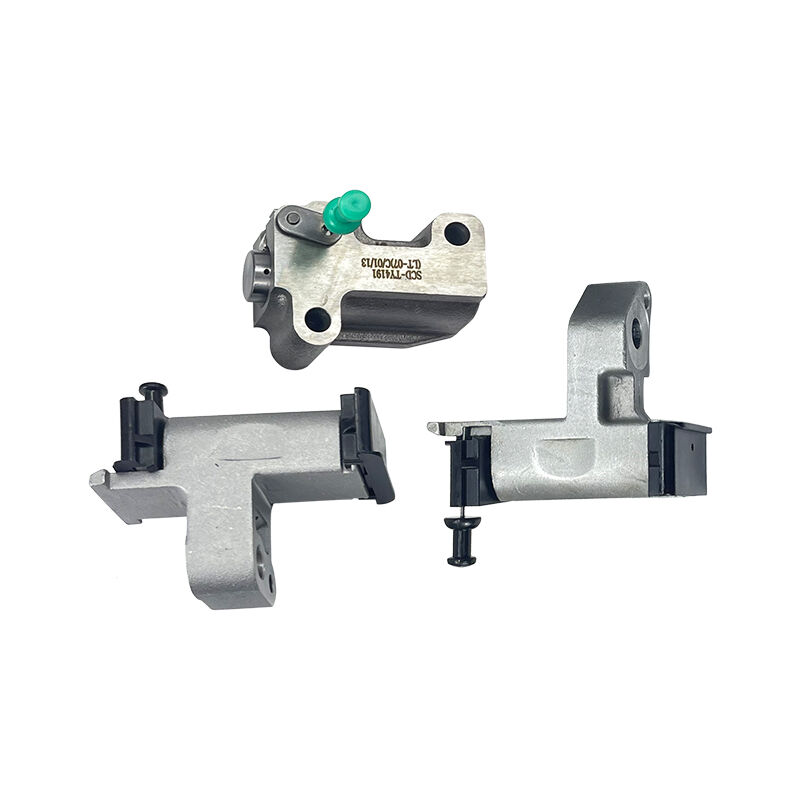
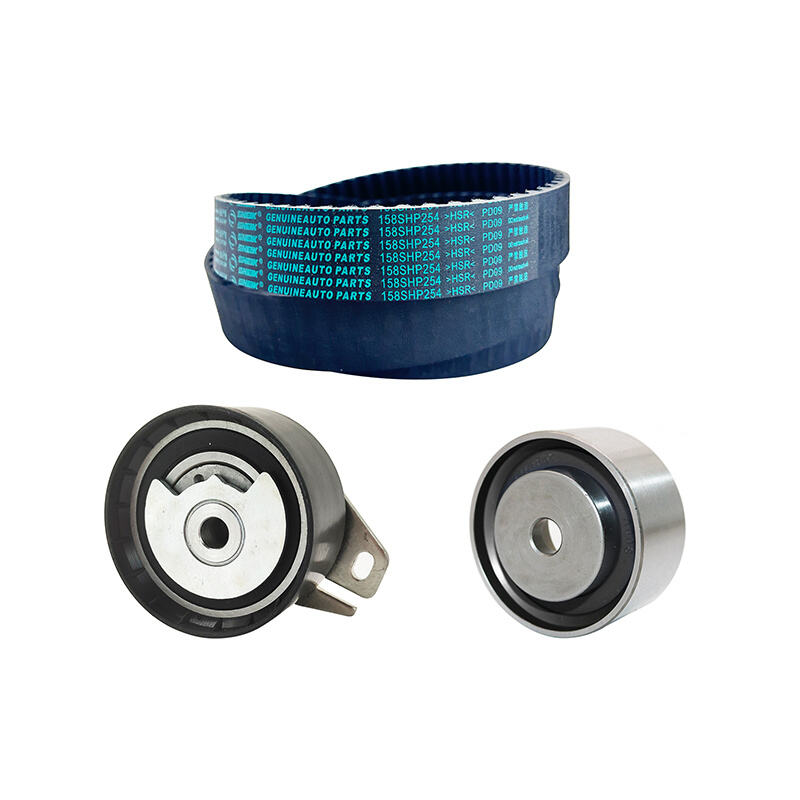
When the timing chain elongates or the chain tensioner cannot provide sufficient tension, the chain will become loose and generate noise. The maintenance personnel replaced the timing chain and tensioner, and started the engine after installation, but the abnormal noise still exists.
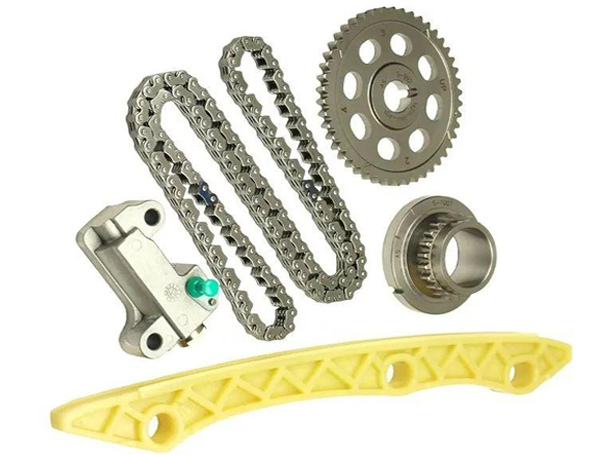
Faced with this situation, the maintenance personnel have reconsidered the possible causes of such malfunctions. The timing chain tensioner is driven by oil pressure. If the oil pressure is insufficient, it may cause the action of the chain tensioner to be restricted. Even if a brand new tensioner is used, it cannot provide sufficient tension. Immediately, the maintenance personnel checked the oil inventory, which met the standards, and the oil condition was relatively clean with normal fluidity. Upon inquiry with the car owner, it was found that they had just undergone maintenance about 10 days ago and were using high viscosity grade engine oil.
The vehicle manual states that 0W-30 engine oil is required, but during the last maintenance, the service store recommended 0W-40 engine oil. From this inference, it is likely that the high thermal viscosity of the engine oil caused a decrease in the amount of oil obtained by the timing chain tensioner, and insufficient oil pressure caused abnormal noise in the timing chain.
Replace with 0W-30 engine oil, and the abnormal noise fault of the test chain will no longer occur.
The malfunction of the car was caused by an increase in oil viscosity. Usually, abnormal action of the timing chain tensioner is often due to negligence in engine maintenance.

Firstly, if the engine oil is not replaced for a long time, it will gradually carry more and more metal debris. The increase in impurities will slow down the flow of the engine oil and may block the oil passage or filter of the chain tensioner.
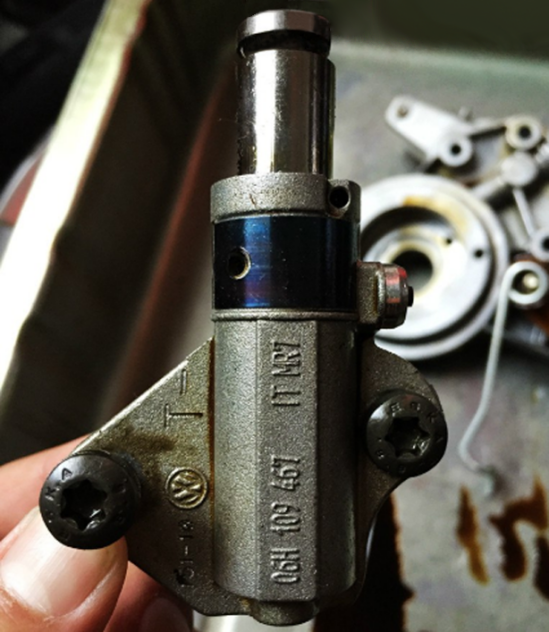
Secondly, if the vehicle is not maintained properly, the filter will gradually become clogged due to the accumulation of a large amount of impurities. The filter is clogged, causing poor oil flow in the engine lubrication system, resulting in the inability of the timing chain tensioner to operate smoothly.
In addition, it is not recommended to use additional oil additives. As long as the oil and filter are replaced according to the specified mileage, it can meet the working needs of the engine lubrication system. The functions of various engine oil additives vary, but they generally have a cleaning effect. Additives will wash away impurities such as carbon deposits attached to the lubricating oil passage and enter the engine oil. This not only reduces the fluidity of the engine oil, but also clogs the filter, which is detrimental to the operation of the timing chain tensioner.
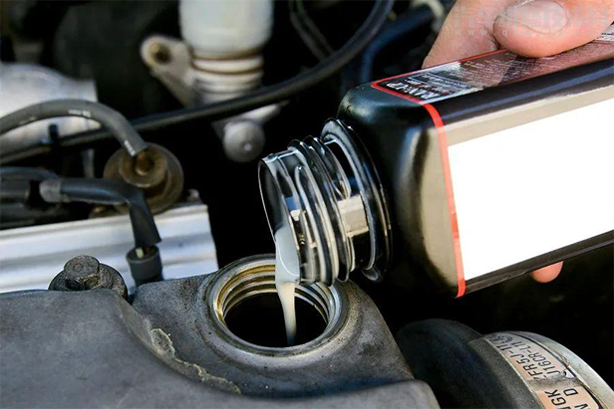
The timing system is crucial for the operation of the engine. Any abnormality in the timing system may cause serious damage to the engine. The timing chain requires a tensioner to provide tension, which is driven by oil pressure. If there is an abnormality in the lubrication system, the tensioner will not operate as required, causing abnormal noise in the timing system and even timing misalignment. Therefore, the oil and filter should be replaced strictly according to the prescribed mileage interval to ensure the normal pressure of the lubrication system.
 EN
EN