As a responsible vehicle owner, it falls squarely upon your shoulders to guarantee that your automobile remains in optimal working condition at all times. Among the many essential components that make up a car’s engine system, one stands out for its vital role: the timing belt. This crucial part is tasked with synchronizing the precise movements of the engine’s intake and exhaust valves with those of the pistons. Without a properly functioning timing belt, this delicate coordination breaks down, leading to inefficient engine performance—or worse, complete mechanical failure. Should such a scenario unfold, you may find yourself facing not only inconvenient breakdowns but also extremely costly repairs that could have been easily avoided through routine maintenance.

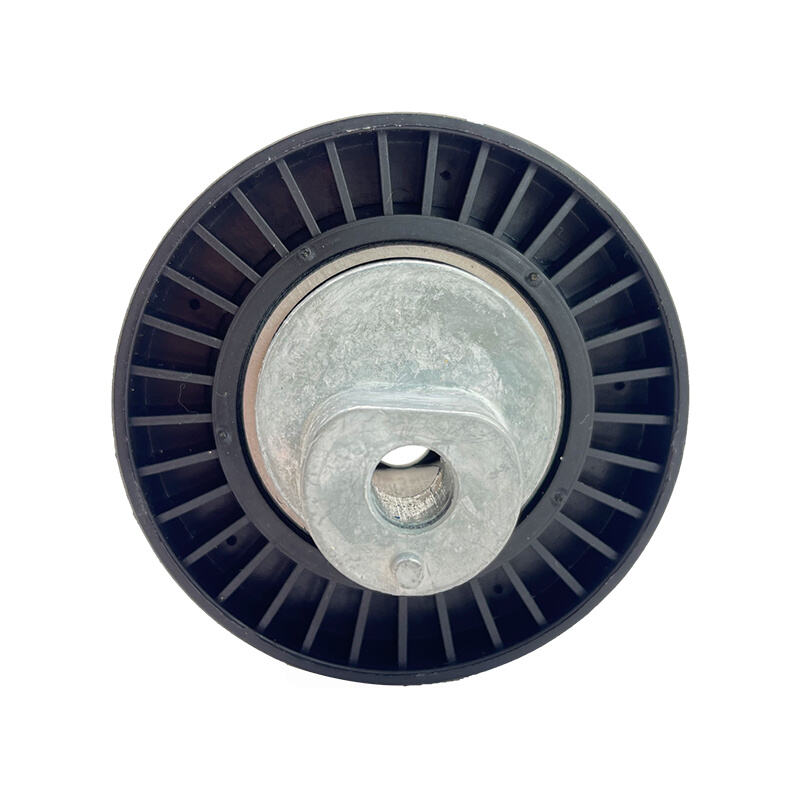
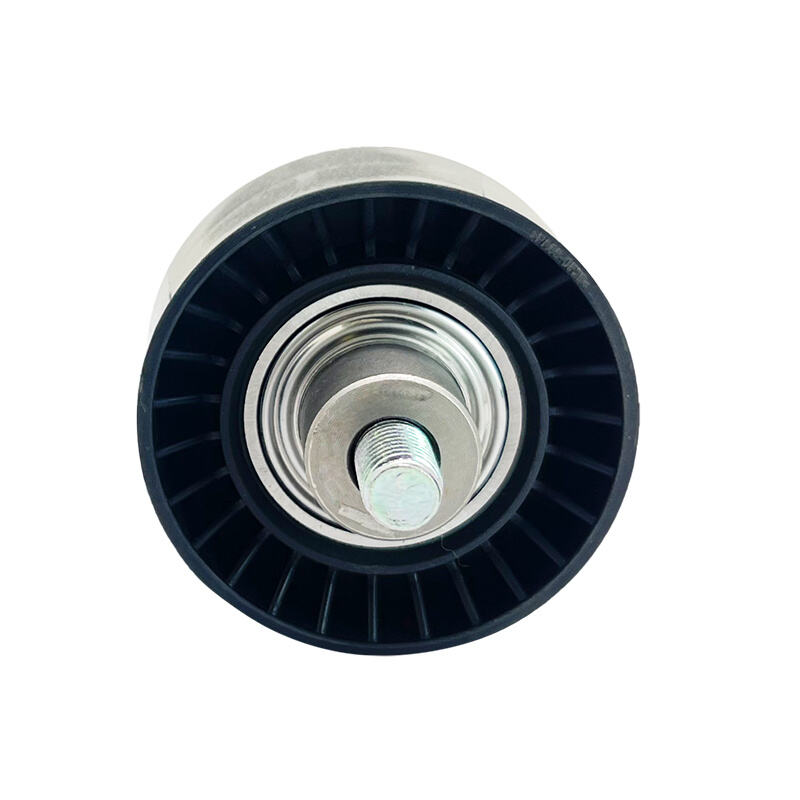
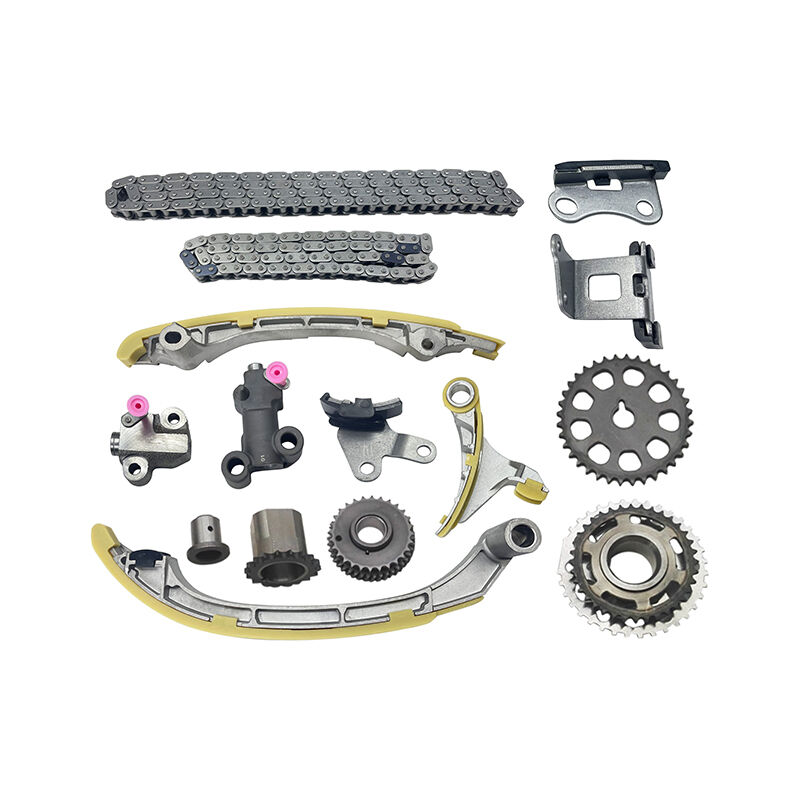
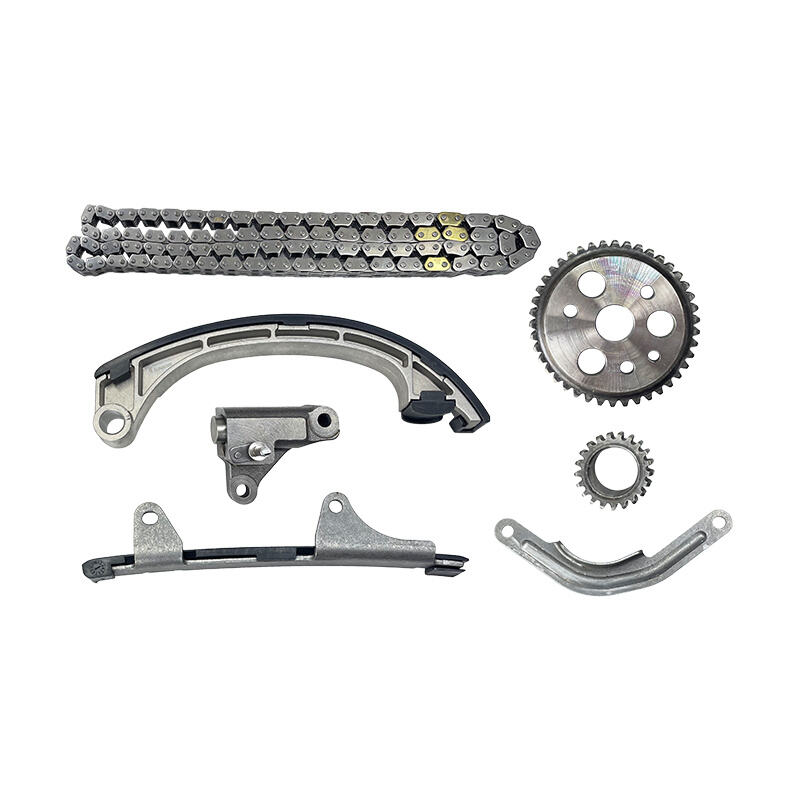
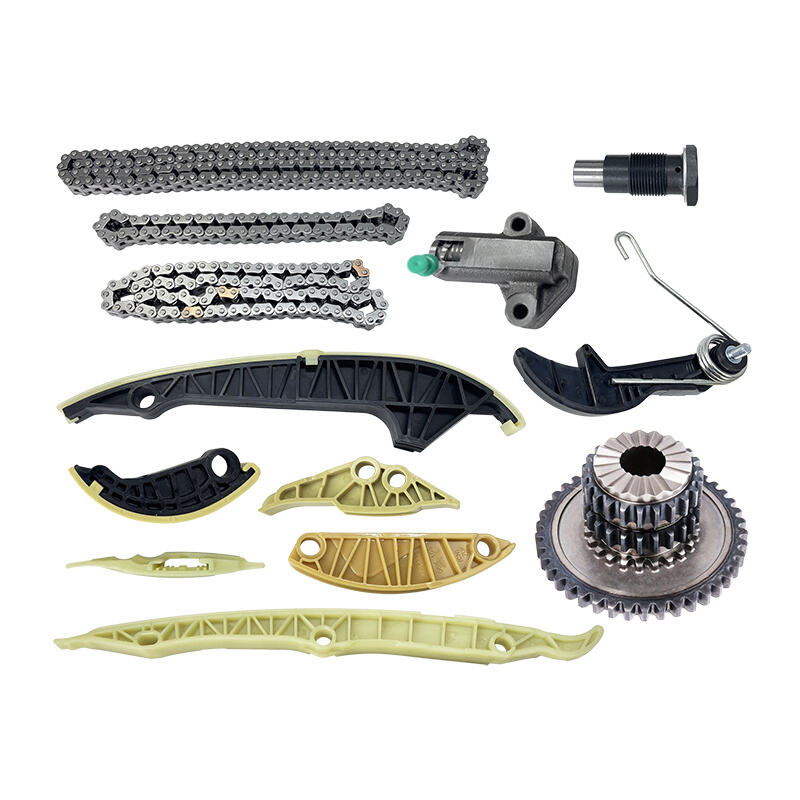
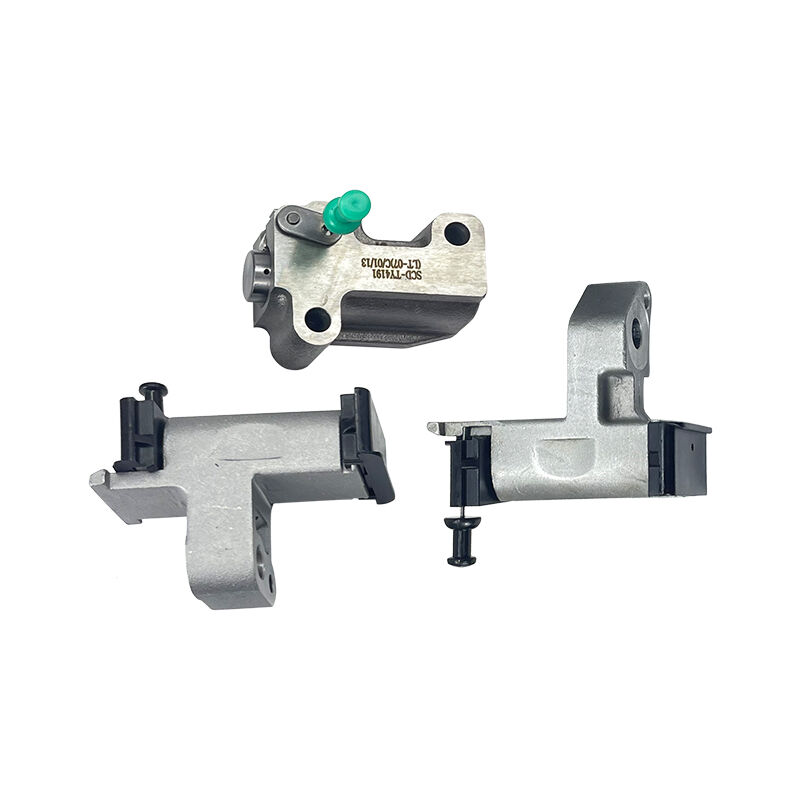
A timing belt kit is, by definition, a comprehensive assembly of parts designed specifically for the purpose of replacing the entire timing belt system during scheduled service intervals. This kit typically includes every necessary component required for a full and proper replacement. That means it comes equipped with the timing belt itself, along with the tensioner pulley, idler pulley, mounting bolts, nuts, washers, and sometimes even alignment marks or installation guides. Utilizing a complete kit—rather than attempting to replace only individual worn parts—ensures uniformity, compatibility, and long-term reliability across the entire timing drive system. Therefore, adhering to a regular replacement schedule for these components is absolutely essential if you wish to maintain your engine’s peak performance and structural integrity following any maintenance procedure.
Of all the moving parts within an internal combustion engine, the timing belt is arguably one of the most demanding to operate reliably over time. It is constantly subjected to intense heat, high rotational speeds, and significant mechanical stress during normal engine operation. Day after day, the rubber material from which the belt is constructed gradually degrades due to exposure to these harsh conditions. As the years pass, the rubber loses its elasticity and becomes increasingly brittle. Simultaneously, the precisely molded teeth on the inner surface of the belt begin to wear down. When this degradation reaches a critical point, the belt may either slip out of alignment or snap entirely without warning. In either case, the consequences are severe: the engine will immediately cease to function, often resulting in catastrophic internal damage—particularly in interference-type engines, where pistons and valves occupy the same space at different times. Such failures can lead to bent valves, damaged cylinder heads, or even destroyed pistons, translating into repair bills that far exceed the modest cost of preventive belt replacement.
To avoid these potentially disastrous outcomes, it is strongly advised that vehicle owners follow the specific replacement intervals outlined by their automobile’s manufacturer. These recommendations are not arbitrary; they are based on extensive engineering testing and real-world data regarding belt longevity under typical driving conditions. By proactively installing a brand-new timing belt kit at the prescribed mileage or time interval—whichever comes first—you significantly reduce the risk of unexpected failure. A fresh timing belt kit restores the engine’s timing precision, promotes smoother operation, enhances fuel efficiency, and, most importantly, safeguards other expensive engine components from collateral damage.
While the process of replacing a timing belt kit might sound intimidating to some, it is actually a manageable task for those with basic mechanical aptitude and access to the appropriate tools. With a detailed service manual, the right socket set, torque wrench, and perhaps a few specialized holding fixtures, many do-it-yourself enthusiasts successfully complete this job in their own garages. However, if you lack confidence in your technical abilities or simply prefer to leave complex engine work to trained professionals, it is always wise to entrust the job to a certified mechanic. Skilled technicians possess not only the correct diagnostic equipment but also the hands-on experience needed to perform the replacement accurately and efficiently—often completing the job correctly on the first attempt, thereby avoiding misalignment or premature wear.
In conclusion, if your vehicle relies on a timing belt (as opposed to a timing chain), staying vigilant about its maintenance is non-negotiable. Always consult your owner’s manual to determine the manufacturer’s recommended replacement interval—typically ranging between 60,000 and 100,000 miles or every 5 to 7 years, depending on the make and model. Investing in a high-quality timing belt kit is a smart and economical decision for anyone committed to preserving their engine’s health and performance. Through consistent, proactive care, you can sidestep major mechanical failures, extend the lifespan of your vehicle, and ensure that it continues to run smoothly, reliably, and efficiently for years to come.
 Hot News
 EN
EN